

Built on Rail: A Five Generation Family Legacy at Hitachi Rail
For over 200 years, the railway has helped shape the nation and the lives of generations of families. For Debra Morrell, that connection runs deep.
Debra has spent over nine years at Hitachi Rail, working as a Team Organiser to the Head of Operations at the Doncaster facility. Today, she plays a central role in the day-to-day running of modern rail operations, overseeing complex activity that keeps trains moving and passengers connected.
But her story doesn’t start there.
“I’ve always known rail was part of my family,” she explains. “But I didn’t realise just how far back it went.”
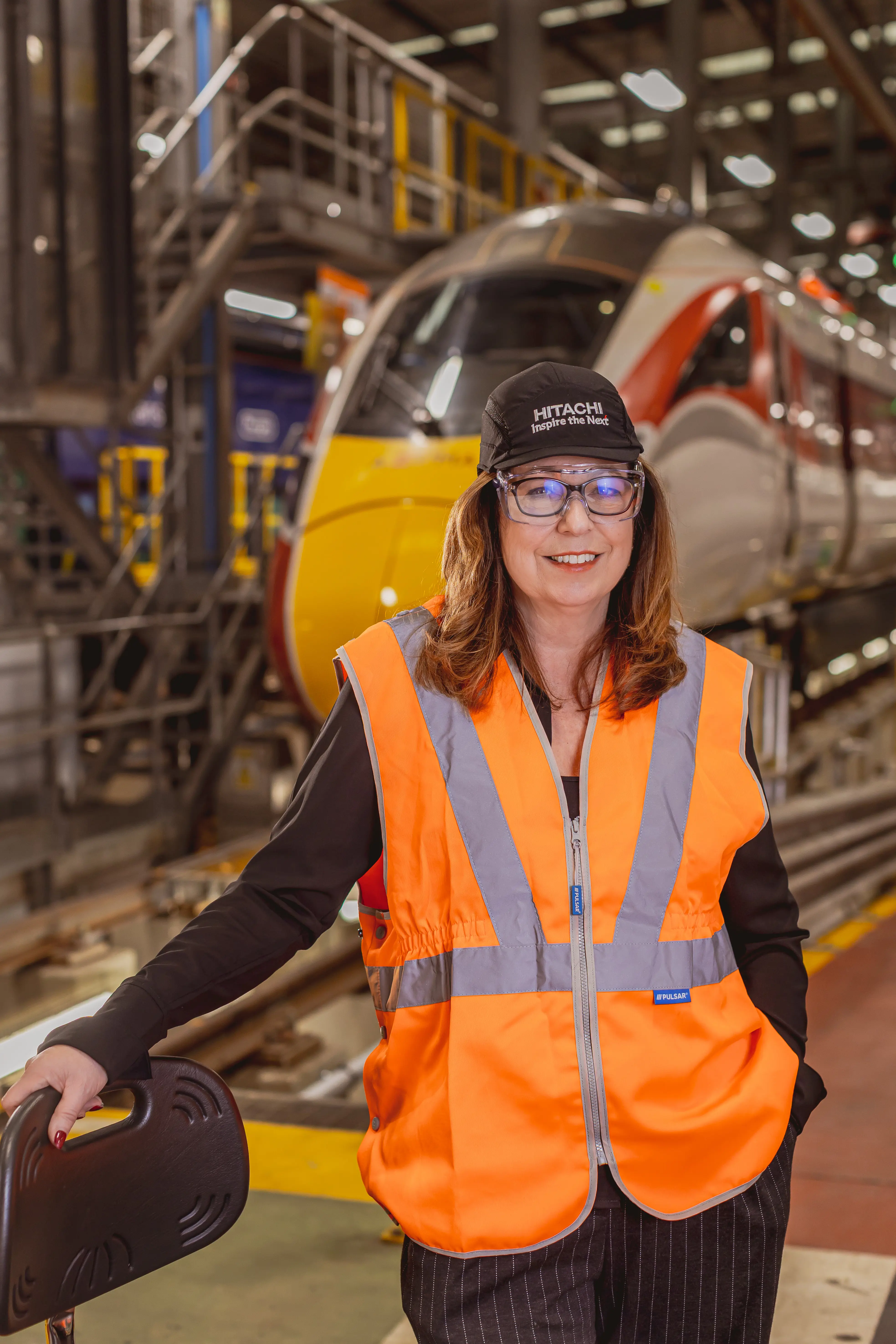
Like many of us, Debra’s understanding of her family history was shaped by what had been passed down through generations, from fragments of stories, names, and roles that hinted at
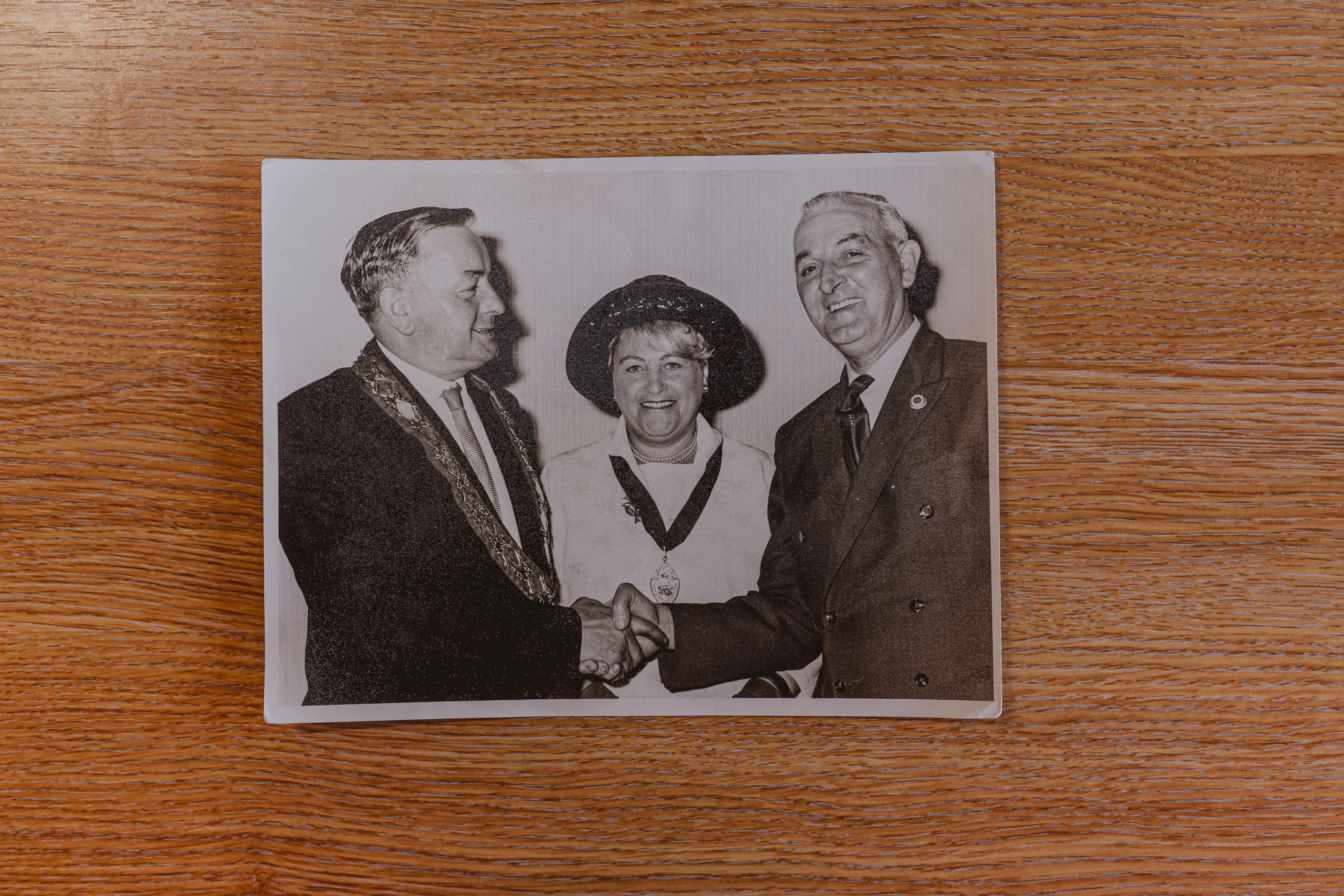
something bigger. Her father, Graham Hurst, worked as an engineer. Her grandfather, George Hurst, drove steam trains. Beyond that, the picture became less clear.
What she did know, though, was that rail mattered – not just to her family, but to communities like Doncaster, one of the UK’s most historic railway towns.
As the UK celebrated Railway 200 last year, marking two centuries since the Stockton and Darlington Railway first ran, Debra’s story feels especially timely. It’s a reminder that railway history isn’t just something preserved in museums or archives. It lives on in people, families and workplaces.
The history we discover
Debra’s family has a five-generation connection to the railway, spanning more than a century. But it wasn’t until she partnered with Genealogist, an ancestry service, that the full picture began to emerge.
On her mother’s side, her great grandfather worked as a railway cleaner, a role that, while often overlooked, was vital to keeping locomotives running safely. It meant long, physically demanding shifts of 10 to 12 hours, and working hands-on with engines in tough conditions.
On her father’s side, her great grandfather, John William Hurst, worked as a stoker for the Great Central Railway before becoming an engineman at LNER - roles that required both technical skill and endurance, helping to power and operate steam locomotives during a formative period for Britain’s railways.
These weren’t just jobs; they were skilled professions that demanded resilience, precision and deep knowledge of the machinery that kept the country moving.
Going back even further, the story reaches into the early 19th century, to a time when locomotives themselves were still a relatively new innovation. A painting from 1809 depicting an early locomotive serves as a powerful reminder of just how long this legacy stretches.
“To hear about people that I’d never heard of before… it felt fascinating,” she says.
A living legacy
Today, that legacy is still very much alive. Debra’s son also works at Hitachi Rail, making him the fifth generation in the family to be part of the railway industry. It’s a connection that feels both personal and collective, linking past, present and future.
For Debra, it’s about more than history – it’s about identity.

“There’s a real sense of belonging,” she says. “I’ve got roots in this place.”
That feeling is echoed across the railway industry, where skills, knowledge and pride are often passed down through families and communities.
As Hitachi Rail looks ahead, investing in new technologies, sustainable solutions and the next generation of talent, stories like Debra’s offer an important perspective. They remind us that progress doesn’t happen in isolation. It’s built on the experience, dedication and continuity of people over time.
The railway has always been about connection. Not just between places, but between generations.
And for Debra Morrell, that connection is something she carries forward every day.
